
Alternative Fibres for Making Paper

Wood pulp is not the only fibre from which we can make paper. In this blog, Antalis explores alternative fibres for making paper.
Wood pulp is not the only fibre from which we can make paper. In this blog, Antalis explores alternative fibres for making paper.
Did you know… there are alternative fibres for making paper?
Paper is one of the world’s most useful and most common materials. We use paper for everything from packaging to notebooks, decorative designs, and artistic projects. Although we encounter paper on a daily basis, seldom do we think about what it is made from.
Most people assume that paper is made from wood pulp. But this isn’t always the case. Today, innovative manufacturers are experimenting with alternative fibres such as hemp, bamboo, cotton linters, and even agricultural residues such as bagasse or straw. These new materials enable the production of paper with unique textures, strengths, and finishes.
By moving away from wood-pulp-based paper, we’re opening up new creative possibilities for packaging, stationery, and print design. Alternative fibres also assist the paper-making industry in developing new production processes that make recycling easier and keep materials in use for longer.
To understand the role that alternative fibres play in modern papermaking, it’s helpful to go back in time to examine why wood pulp became the dominant material.
The Role of Wood Pulp in Modern Papermaking
People have been making paper for centuries, and it wasn’t always made from wood fibres. The earliest example of paper production dates back to 105 AD, when the Chinese court official Cai Lun made paper from mulberry bark, hemp, and rags.
In 14th century Europe, paper was predominantly made from rags. However, the process was slow and laborious, and rags were not in ample supply. There were huge paper shortages, and the price of rags skyrocketed. Paper mills had to find an alternative to rags in order to stay in business. But it wasn’t until the 1800s that it was discovered that paper could be manufactured using fibres from wood pulp.
Wood pulp became the base material for papermaking from the 19th century onwards. The widespread availability of wood pulp transformed the paper industry, facilitating the transition from small artisanal workshops to industrial mills.
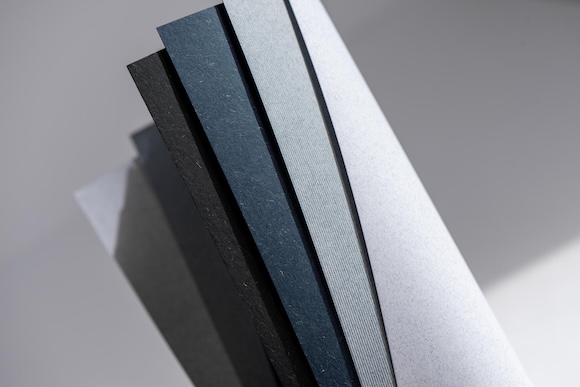
Refit Wool, Cotton and Denim
Paper became much cheaper and faster to make and was accessible to everyone. The advent of wood-pulp-based papermaking gave rise to improvements in education and communication, and helped spread knowledge across society. Wood pulp is still a common material for papermaking. These days, it’s derived from sustainable sources such as sawmill byproducts, responsibly managed forests, or recycled wood. However, the paper-making industry is also increasingly exploring alternatives to traditional wood pulp.
The Rise of Alternative Fibres
There’s a wide range of reasons why alternative fibres are becoming increasingly more popular with paper makers. Alternative fibres are gaining popularity for their special characteristics and versatility.
Using alternative fibres, manufacturers can create paper that has unique textures, enhanced strength, and more functional characteristics. Alternative fibres are being used to produce tear-resistant, durable packaging, high-quality stationery, and products such as coffee filters and paper towels.
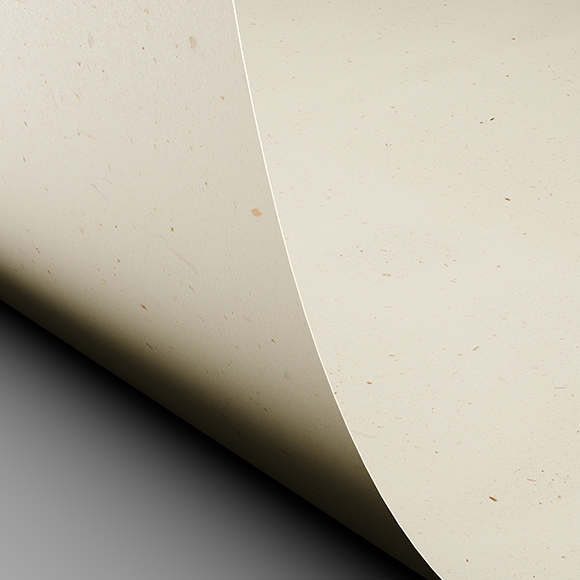
Curious Particles, Natural Lily Flower
Common Types of Alternative Fibres for Papermaking
Alternative fibres offer both environmental benefits and functional advantages. In addition to wood pulp, we now have a range of strong, sustainable, and versatile options for modern papermaking.
Some of the non-wood fibres that can be processed into paper include:
- Bamboo: Bamboo is fast-growing and abundant. Its strong, flexible fibres are ideal for high-quality paper products.
- Hemp: Hemp has been historically used in papermaking. In the modern world, the durable, long fibres and excellent biodegradability of hemp are once again making it a popular choice for papermaking.
- Kenaf: Kenaf is a member of the hibiscus family. The plant produces long, strong fibres that work well in paper production.
- Bagasse: Bagasse is a fibrous residue that derives from sugarcane processing. This once-neglected byproduct can be repurposed to make paper.
- Recycled Waste: Recycled materials can also be used to make paper. When combined with wool or cotton fibres, they help create paper with enhanced strength, texture, and quality. The Refit range, available from Antalis, is a perfect example of high-quality, eco-friendly paper. Certified by the Global Recycling Standard (GRS), she features papers made from upcycled waste from denim, cotton, and wool. Each type of Refit paper offers a unique tactile experience and style.
There are also other fibres and materials that papermakers are experimenting with. Sisal, jute, and flax are now also being used for papermaking. Non-wood and recycled materials are helping the papermaking industry to develop new products and make better use of waste materials.
The Curious Particles Collection from Antalis offers innovative textured papers made from a blend of recycled fibres and plant materials (bamboo and sugarcane). Available in three shades of white and off-white, these papers feature organic inclusions of flowers and plants, adding a distinctive natural touch.
The exploration of alternative fibres in papermaking reflects the industry’s growing commitment to sustainability and innovation.
So, the next time you need to buy paper or packaging, try looking at these products. You may just be surprised at what you’ll find!