
4 packaging trends set to define the future


In 2026, packaging will enter a new era – one that is more strategic, responsible and innovative.
In 2026, packaging will enter a new era – one that is more strategic, responsible and innovative.
It will no longer be just a simple "container”. It will sit at the crossroads of key topics: regulations, e-commerce, employer branding, customer loyalty and cost optimisation. At Antalis Packaging, we see four main trends emerging as the key drivers of transformation. Here’s what to watch for...
1. Minimalism
Minimalist packaging is emerging as a clear answer to sustainability challenges. The task ahead? Reducing material use and waste, while maintaining protection efficiency.
This means creating clean designs that use only necessary materials, without compromising on performance. It’s not about aesthetics; it’s about meeting packaging challenges head-on.

What drives this trend:
- Environmental concerns
- Consumer preferences
- Profitability: Using fewer materials lowers production and transport costs.
- Functionality-driven: Packaging is not there to steal the show, but to serve the product.
What’s in it for brands?
- Minimalist packaging reduces costs while strengthening brand image.
- It improves recyclability, simplifies sorting and meets the expectations of both retailers and consumers.
- It clarifies brand messaging: a streamlined design leaves more room for key messages and perceived product value.
How this trend takes shape:
- Graphics reduced to the essentials (monochrome palettes, simple typefaces)
- Second-life packaging that can be reused or repurposed.

2. E-commerce ready
With online shopping soaring, packaging must now be designed for transport, storage and returns… As well as for the unboxing experience.

Several challenges drive this trend:
- Protecting products throughout the entire logistics journey.
- Limiting overpacking and unnecessary void.
- Designing solutions that are easy to open and reseal.
- Delivering a recognisable brand experience from the moment it is received.
What’s in it for brands?
- Well-designed e-commerce packaging reduces the risk of damage, costly returns and poor customer experiences. It has a direct impact on your online profitability.
- Smart packaging for e-commerce builds satisfaction, drives recommendation and fosters loyalty, delivering a true brand experience.
- Major marketplaces set specific packaging criteria. Meeting them reduces the risk of penalties, delisting and additional costs.
How this trend takes shape:


- Compact, stackable formats optimised for warehouses and order picking.
- Printed messages inside the pack that turn unboxing into a memorable brand moment.
3. Sustainability at every stage
Meeting environmental expectations is no longer enough: brands must now anticipate them. That’s the challenge of sustainable innovation: rethinking materials, their uses and the life cycle of packaging to reduce impact, from sourcing to end-of-life.

This applies across the entire packaging value chain:
- Choosing recycled, recyclable or bio-based materials.
- Optimising formats to reduce resource consumption.
- Reducing the carbon footprint during transport.
- Aligning with current and future regulations (EPR, European directives, etc.).
What’s in it for brands?
- CSR reporting is only getting stricter. Anticipating now avoids rushed overhauls later.
- Sustainable innovation is emerging as a powerful differentiating factor for consumers.
- More circular packaging is often synonymous with efficiency: less material, less transport, less waste.
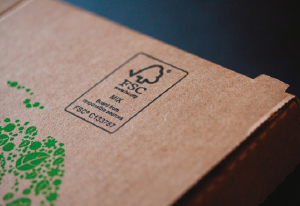
How this trend takes shape:
- Rethinking materials: adopting bio-based, recyclable or
compostable solutions
- Relying on recognised certifications: FSC®, PEFC™,
low-carbon labels, etc.
4. New consumer expectations
Today’s consumers expect packaging to go beyond pure functionality. They want it to reflect their lifestyle, values and decision-making.

What drives this trend and how it takes shape:
- A demand for practicality (on-the-go formats, resealable packs…).
- A desire for personalisation (limited editions, distinctive design…).
- A requirement for transparency (composition, origin, impact).
- A growing demand for consistency between a brand’s message and its packaging.
What’s in it for brands?
- Not all customers consume the same way these days. With agile packaging, you can support this diversity without sacrificing brand consistency.
- Packaging can create meaningful experiences, tell a story, convey messages and evoke emotion. It is a powerful lever for reinforcing brand preference.
- Flexible packaging solutions speed up innovation, acting as a catalyst for experimentation and growth. They make it easier to test concepts, launch limited editions or target niche markets.
The Bottom Line
These trends are not temporary — they’re redefining packaging for good. For brands, the challenge is to integrate these dimensions through every step of the design process, to create packaging that is more relevant, sustainable, efficient and aligned with today’s expectations.
Talk to our experts or explore our Smart Packaging solutions to start imagining tomorrow’s packaging today.
Contact us: xxx@xxx.com - 00000 000 0000 - www.antalis.com
(+For countries, add the link to you contact page)