
Pallet Wrapping Optimisation: Reduce Waste & Costs

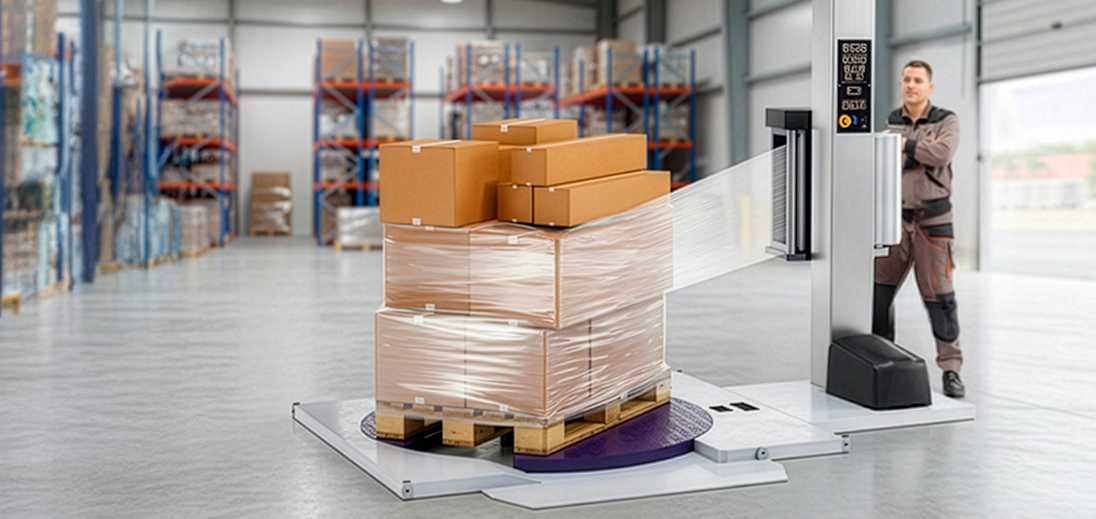
The Hidden Cost of Business as Usual. What if your pallet wrapping routine costs more than it saves? Optimising it can reduce waste, improve stability, and boost efficiency.
The Hidden Cost of Business as Usual. What if your pallet wrapping routine costs more than it saves? Optimising it can reduce waste, improve stability, and boost efficiency.
The Real Challenges Behind the Stretch Film Roll
While most decision-makers know wrapping is essential, the issues often hide in plain sight:

Excess Material Usage
Studies across logistics and packaging have shown that many sites use up to 30% more film than necessary. Often, a thicker film is used than needed, or extra layers are added, which slows down the process. This leads to unnecessary additional spend on film and increased waste to manage and dispose of.

Inconsistent Load Stability
Using more film does not always mean better protection. In fact, using the wrong stretch film or applying the film incorrectly can still lead to damaged goods, rejected deliveries and reputational costs.

Downtime and Machine Wear
Excessive film use or incorrect settings not only cause higher plastic waste and more frequent roll changes, but also increase equipment maintenance costs. Due to the higher workload, parts require more frequent cleaning, maintenance, and replacement.

Sustainability Pressure
Companies are under increasing pressure to reduce the use of packaging materials without compromising operational performance.
Addressing these challenges often starts with choosing a film that matches your operational needs. Modern high-performance ranges, such as AXIO, Antalis’ brand of ultra-thin stretch films, are engineered to deliver superior performance and maintain consistent load stability while minimising material use.
Why Optimisation Matters More Than Ever
To make real savings, scrutinise and program the entire wrapping cycle for efficiency. Focus on achieving the right targeted containment force for each load profile while minimising film use and waste. When containment force is tuned correctly and waste is reduced, you get measurable benefits across three areas:
- Financial: Using less film without losing stability can significantly lower operational costs over time.
- Operational: Reducing manual intervention and variability improves consistency and speed.
- Reputational: Meeting customer and regulatory expectations on sustainability strengthens your brand.
A Quick Look Inside a Warehouse Audit
Imagine a distribution centre wrapping 100 pallets a day. The site initially used a thicker stretch film, resulting in roughly 40% higher material consumption than necessary.
After switching to a thinner AXIO film—offering the same holding force—and adjusting the wrapper settings to match the load profiles, film usage decreased by up to 40%.
The change translated into tangible savings: fewer rolls used per day, lower packing costs, and a lighter environmental footprint. A simple film substitution, paired with proper calibration, delivered both efficiency and sustainability gains without any impact on throughput.

The Role of Technical Expertise
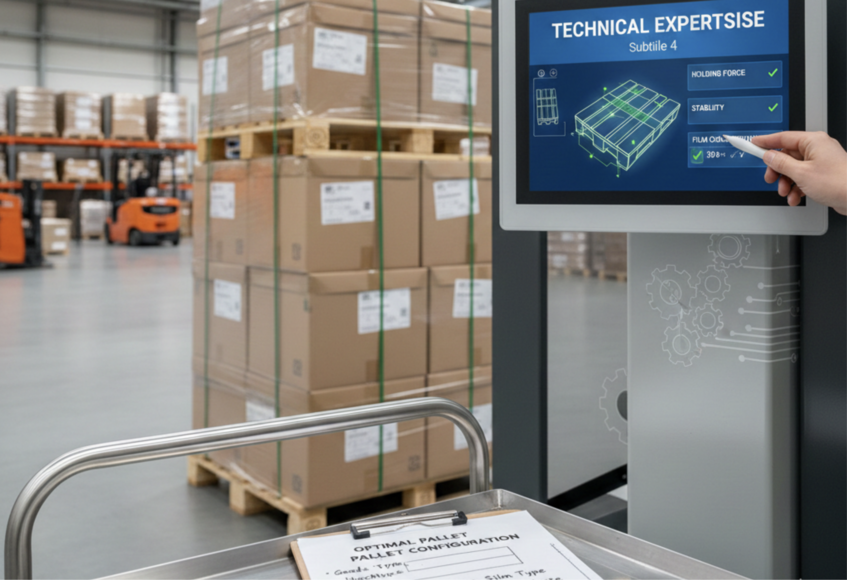
To unleash the full potential of stretch film and avoid waste, your pallet wrapper must be properly configured. This configuration should take into account the specifics of the goods being packaged and the capabilities of the machine and film used. The goal is to achieve sufficient holding force, pallet stability, and low film consumption.
Looking Beyond Price Per Roll
It’s tempting to view film cost in isolation. But the real metric is cost per pallet wrapped.
A slightly more expensive, high-performance film can deliver a lower total cost than a cheaper alternative. Add in waste reduction and improved load security, and the business case becomes clear.
Where to Start: Building a Smarter Wrapping Process
If your operation wraps hundreds — or thousands — of pallets a week, here’s a practical framework:
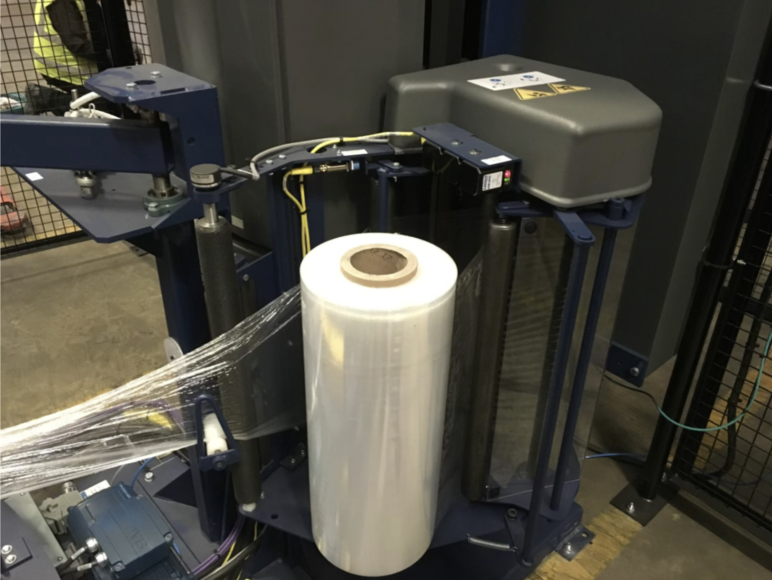
1. Audit Your Current Packing Setup – Involve experts to help you find the right film for your stretch wrapper and the goods you are packaging, and to identify the right setup for different load types.
2. Determine The Ideal Settings For Each Pallet Type – Where possible, save these as dedicated programs in your stretch-wrapping machines so warehouse teams can select and apply them with ease.
3. Train Your Operators – Even the most advanced equipment underperforms if users don’t know how to run it. Keep your machines in top shape by servicing and cleaning them according to the manufacturer’s guidelines.
4. Conduct Regular Reviews – Seasonal shifts, changing product lines, and evolving customer requirements all influence your packing needs—adjust accordingly.
The Sustainability Imperative
Optimisation isn’t only about cost savings.  With regulations tightening across Europe on single-use plastics, and more end customers demanding proof of sustainable practices, proactive reduction in material use is becoming a competitive advantage.
By cutting plastic waste, companies position themselves ahead of compliance deadlines and enhance their brand image in tenders and supplier evaluations.
Conclusion: Small Changes, Big Impact
Pallet wrapping may seem like a detail, but in supply chain efficiency, details add up.
Optimising your process can reduce waste, cut costs, improve safety, and enhance sustainability — all without slowing down your operation.
The key is approaching it strategically, with data and expertise at the heart of every decision.
Discover how AXIO’s expert-led approach can help you cut film use, improve stability, and reduce your total cost per pallet.